Introduction
When it comes to mold in your home, prevention is key. But what happens when mold has already invaded your space? That’s where professional mold remediation comes in. This comprehensive guide will take you through the entire process, from initial assessment to the final restoration, ensuring your home is mold-free and safe for you and your loved ones.
Understanding the Dangers of Mold
Mold is not just unsightly; it can also pose serious health risks. Exposure to mold can lead to various respiratory issues, allergies, and even infections. Understanding the dangers of moldis crucial in preventing its growth and ensuring the safety of your home.
Mold thrives in damp and humid environments, making bathrooms, basements, and areas with water leaks or condensation the perfect breeding grounds. Mold spores are microscopic and can easily be inhaled, causing allergic reactions or triggering asthma attacks. Additionally, certain types of mold produce mycotoxins, which can be harmful if ingested or inhaled over a prolonged period.
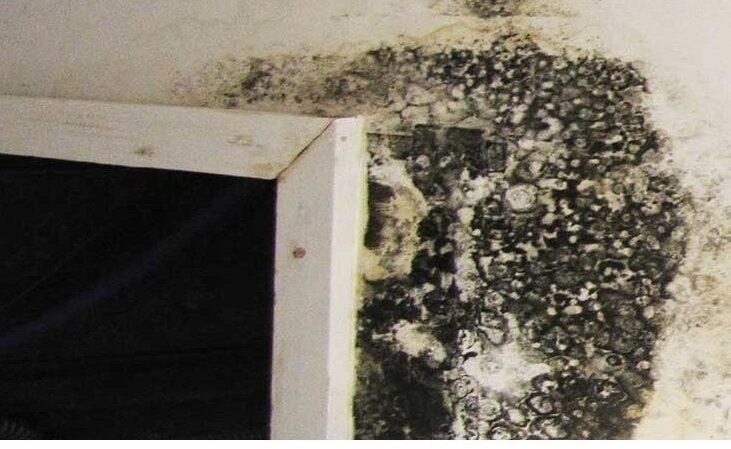
To protect your health and the well-being of your family, it’s essential to address mold issues promptly and effectively. This guide will equip you with the knowledge and tools to tackle mold remediation like a pro.
Signs of Mold Infestation
Detecting mold early is crucial to prevent it from spreading and causing further damage to your home. Here are some common signs of mold infestation to watch out for:
1. Visible Mold Growth: Mold often appears as black, green, or white patches on walls, ceilings, or other surfaces. Keep a close eye on areas prone to moisture, such as bathrooms, kitchens, and basements.
2. Musty Odor: Mold has a distinct musty smell. If you notice a persistent, unpleasant odor in certain areas of your home, it could be an indication of hidden mold growth.
3. Water Damage: Any past or current water damage, such as leaks, floods, or burst pipes, increases the likelihood of mold growth. Check for signs like water stains, discoloration, or peeling paint.
4. Allergic Reactions: If you or your family members experience symptoms like sneezing, coughing, itchy eyes, or skin rashes that worsen at home, mold could be the culprit.
If you suspect mold in your home, it’s important to take immediate action to prevent further damage and protect your health.
Removing Mold Safely and Effectively
Removing mold requires expertise and specialized equipment to ensure the safety of both the workers and the occupants of the home. Professional mold remediation services follow strict guidelines and industry best practices to remove mold safely and effectively. Here are some important considerations:
1. Containment and Personal Protective Equipment: As mentioned earlier, the use of physical barriers and negative air pressure systems is crucial to prevent the spread of mold spores. Additionally, the remediation team will wear appropriate personal protective equipment, including gloves, respirators, goggles, and disposable coveralls.

2. Proper Disposal: Mold-infested materials, such as drywall or carpeting, must be carefully bagged and disposed of in accordance with local regulations. This prevents the spread of mold spores during the removal process.
3. Thorough Cleaning: The remediation team will clean all affected surfaces using specialized techniques and antimicrobial treatments to ensure the complete removal of mold spores. HEPA vacuums and other cleaning tools are used to achieve thorough cleaning and prevent recontamination.
4. Drying and Dehumidification: Proper drying and dehumidification of the affected areas are essential to prevent future mold growth. The remediation team will use professional-grade equipment, such as dehumidifiers and air movers, to eliminate excess moisture and maintain optimal humidity levels.
It’s important to note that attempting to remove mold on your own without the necessary expertise and equipment can lead to further damage and potential health risks. Hiring a professional mold remediation service is the safest and most effective way to eradicate mold from your home.

Conclusion
Mold infestations can pose serious health risks and cause damage to your home if left untreated. From prevention to restoration, this professional mold remediation guide has provided you with the knowledge and resources to tackle any mold issue head-on.
By understanding the dangers of mold, recognizing the signs of infestation, and following the mold remediation process, you can ensure a safe and mold-free environment for you and your loved ones.
Remember, early detection and prompt action are key to preventing mold from spreading and causing further damage. If you suspect mold in your home, don’t hesitate to seek professional help. With the assistance of a reputable mold remediation service, you can restore your home to a clean and healthy state, free from the dangers of mold.